
Soil microbes
Microbial communities in the soil environment — a key source of strain resources.
01 / TECHNOLOGY
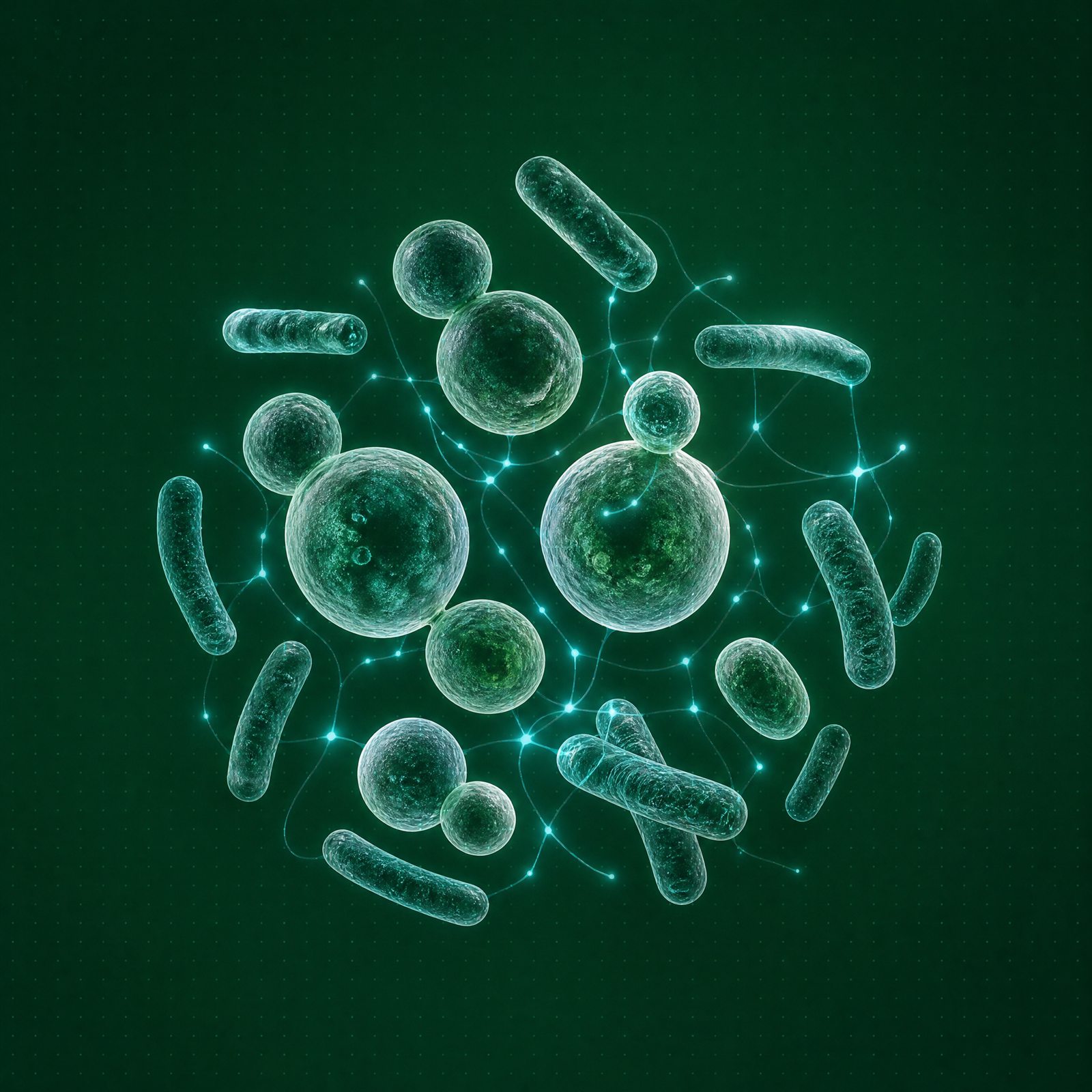
A microbial cell is a tiny cell factory. We place the natural power of microorganisms inside a controlled industrial system, so good strains can reliably make good products.
02 / DEFINITION
How the platform works
A microbial cell is a tiny cell factory. It converts the large-molecule nutrients in fruit and vegetables into smaller, more readily absorbed molecules through fermentation, and produces a range of beneficial active compounds.
03 / NATURE
Where strain resources begin
Soil, plants and natural fermentation systems are the starting point for our strain work.
Microbial communities in the soil environment — a key source of strain resources.
Beneficial microorganisms living with plants, participating in natural fermentation.
Microbial systems in traditional fermented foods, providing experience for flavour and process.
04 / LABORATORY
From isolation to application
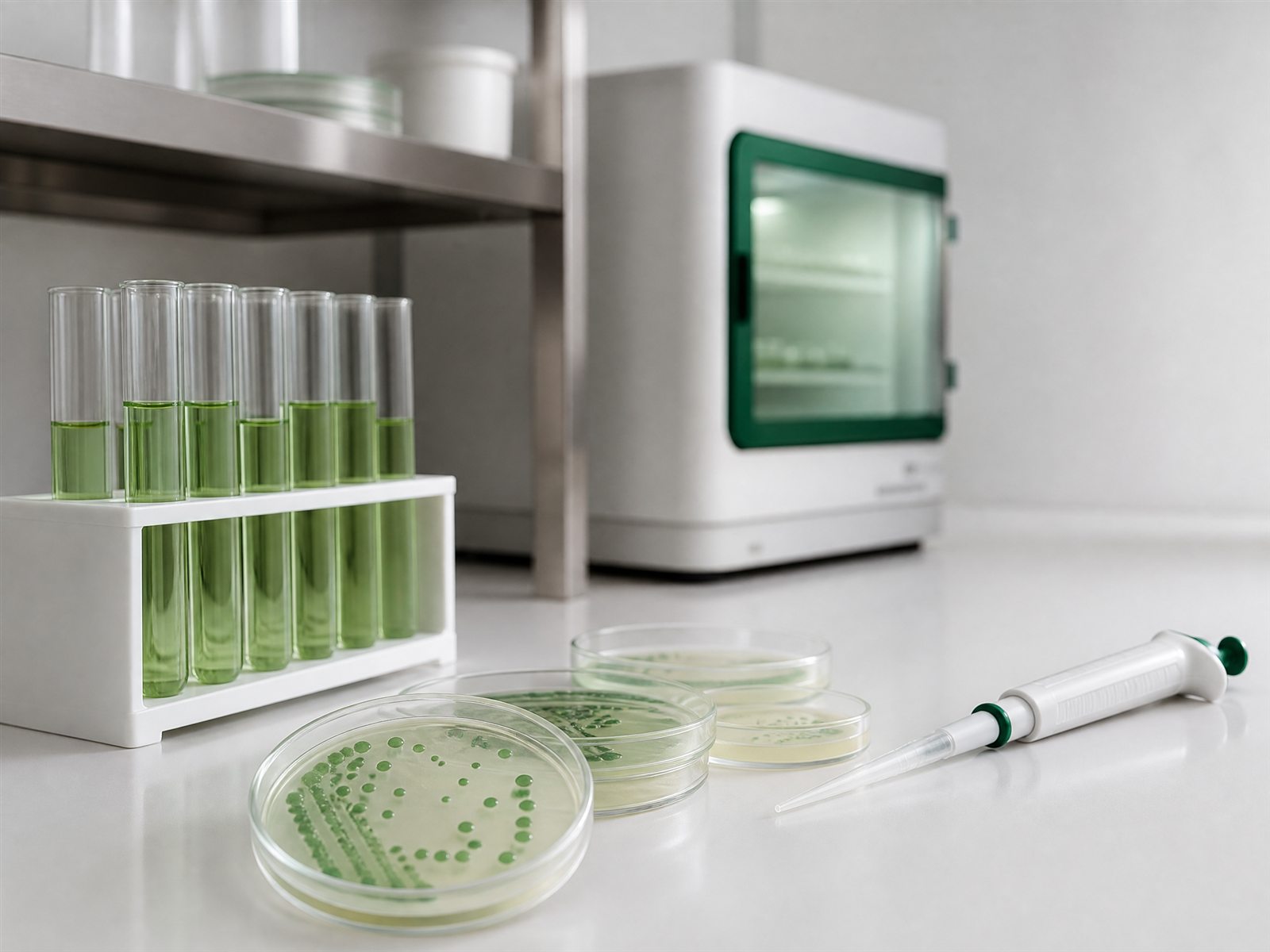
Isolation, identification and fermentation application form the standard route from strain to production.
Target strains isolated from natural and raw material samples, then screened for better process fit.
Characteristics confirmed through culture and identification, building a reusable strain resource.
Selected strains put into the process to deliver the target flavour and functional compounds consistently.
05 / SCALE-UP
Natural produce, domesticated strains, industrial output
The natural power of microorganisms, placed inside a controllable production system.
01
Selected fruit and vegetable raw materials, traceable to source.
02
Strains and fermentation parameters under precise control.
03
Stable, consistent quality at production scale.
OEM / ODM
Share the raw material, target flavour and intended product format, and we will assess strain fit and process route.